ComfiLife Foot Rest: 4 Smart Ways to Make Desk Hours More Comfortable
This article contains affiliate links. As an Amazon Associate I earn from qualifying purchases.
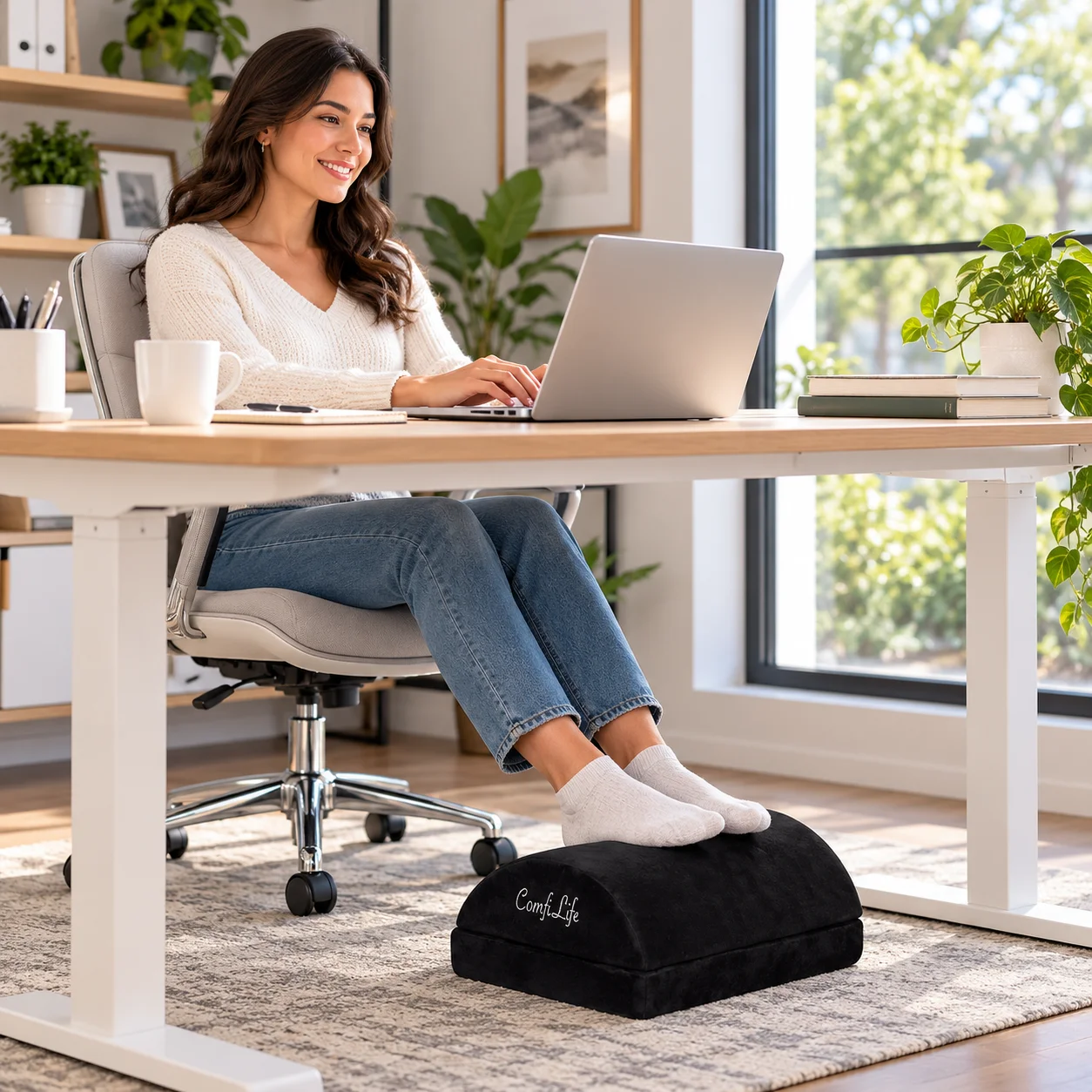
The ComfiLife Foot Rest solves a surprisingly ordinary desk problem: sometimes your chair feels fine, your desk is the right size, and your screen is where you want it — but your feet still have nowhere comfortable to settle. When that happens, you may end up stretching forward, tucking one leg back, or shifting around more than you realize. That mismatch is easy to ignore for an hour and much harder to ignore by the end of a workday.
A foot rest is not a dramatic office upgrade, and that is exactly the point. It sits out of the way, supports a part of your setup that is usually overlooked, and can make a fixed chair-and-desk combination feel easier to live with. The ComfiLife version keeps the idea simple with memory foam, two usable heights, a removable cover, and a shape that can also be flipped for gentle rocking movement.
Why Unsupported Feet Can Make a Desk Setup Feel Wrong
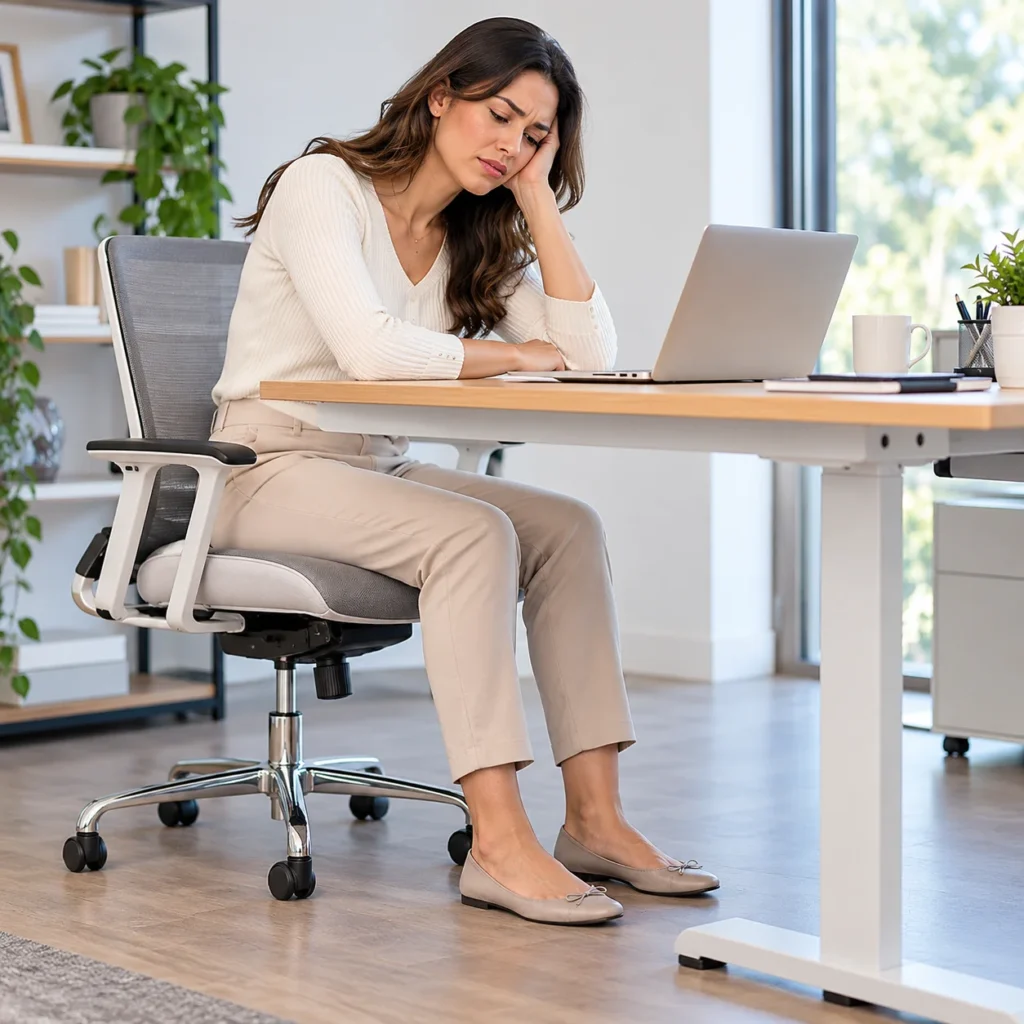
Desk comfort is often treated as a chair problem, but the chair is only one piece of the setup. If your seat height works for your desk but leaves your feet barely touching the floor, the lower half of your posture can still feel unsettled. You may compensate by leaning forward, crossing your legs for long stretches, or sliding toward the edge of the seat.
The goal of an under-desk foot rest is not to lock you into one position. It simply gives your feet a predictable surface so you can sit back in the chair without feeling as if your legs are hanging in space. The point is not to force one “perfect” posture; it is to give your feet a more useful place to land.
What the ComfiLife Foot Rest Adds to Your Desk
Two height options for different desk setups
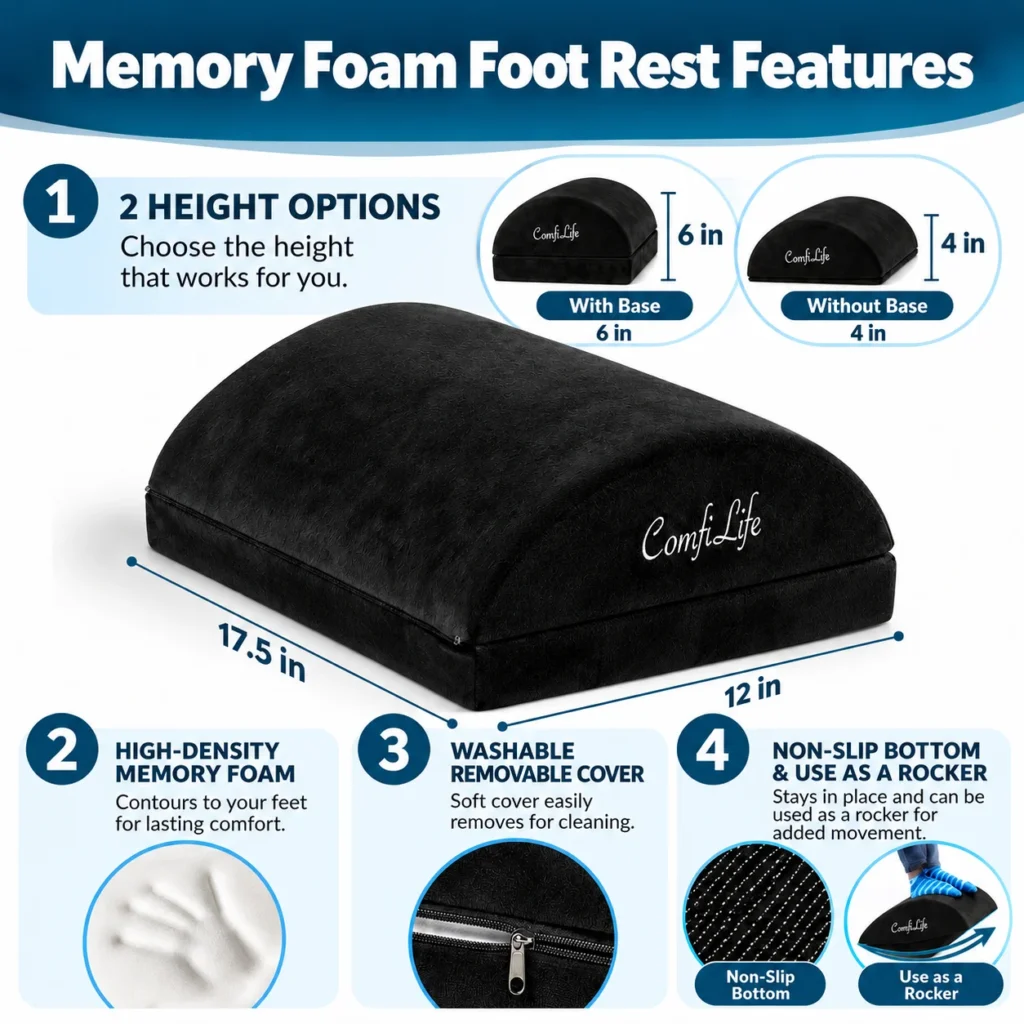
The ComfiLife Foot Rest measures about 17.5 inches wide by 12 inches deep, with a total height of about 6 inches when the detachable base is attached. Remove the base and the upper cushion sits closer to 4 inches high. That two-level design matters because desks, chairs, leg lengths, and sitting habits are not identical.
The adjustment is deliberately uncomplicated. There is no lever, hinge, or mechanical lift to manage. You use the full cushion and base when you want more height, or remove the lower section when a smaller lift feels better. It is the kind of flexibility that is easy to understand before you even sit down.
Memory foam support with a removable cover
The main cushion is made from memory foam, so the feel is softer and more forgiving than a hard plastic platform. For people who work in socks or prefer a cushioned surface, that can make the foot rest feel more like part of the room than a piece of office hardware.
The cover is removable for cleaning, which matters more than it sounds. Anything that lives under a desk will eventually collect dust, lint, pet hair, or whatever else travels across the floor. A removable cover makes the product easier to keep presentable without turning routine cleaning into a project.
Flip it for gentle rocking movement
The curved half-moon shape also gives the foot rest a second job. Flip the upper cushion over and it can be used as a gentle rocker, giving your feet a little movement instead of holding them on one fixed surface. This is not exercise equipment, and it does not need to be. It simply gives restless feet another way to stay occupied during calls, reading, or long stretches of computer work.
The bottom is designed to resist sliding, so the product can stay more stable during normal use. That small movement option is one of the reasons this feels more versatile than a fixed block under the desk.
Where This Foot Rest Fits Best
The clearest use case is a home office where the desk height cannot change much and the chair has to stay high enough for comfortable typing. In that situation, a foot rest can fill the gap between the chair and the floor without forcing you to rebuild the rest of the workstation.
It can also make sense in shared workspaces. If two people use the same desk but prefer different chair heights, a removable-base foot rest is an easy way to add some personal adjustment without changing the furniture. The same idea applies to gaming setups, craft desks, study spaces, or anywhere you sit for long periods with your feet searching for a comfortable position.
Because the ComfiLife Foot Rest is soft and fairly wide, it is best suited to people who want a cushioned surface rather than a firm platform with a steep angle. If you prefer a rigid footrest with precise tilt settings, rollers, or a metal frame, a different design may suit you better.

What to Check Before You Buy
Start with the measurements. The full setup is about 17.5 by 12 by 6 inches, so make sure there is enough clear floor space under the desk and that the added height makes sense with your chair. A foot rest only helps if it gives your feet a comfortable place to rest without pushing your knees too high.
Next, think about the kind of support you prefer. Memory foam feels different from a rigid ergonomic platform. It compresses under your feet and feels more relaxed, but it will not give the same fixed angle or structured resistance as a hard footrest. Neither approach is automatically better; the right one depends on what feels natural in your setup.
Finally, remember what this product is — and what it is not. It is a comfort accessory, not a medical device. It can help make a desk position feel more supported and flexible, but it should not be treated as a cure for back pain, circulation problems, sciatica, or any other health condition. If discomfort is persistent or severe, the better next step is to review the whole workstation and seek professional guidance where appropriate.
The Everyday Upgrade Take
The most useful thing about the ComfiLife Foot Rest is how little attention it asks for after you set it up. Choose the height that works, place your feet on it, and get back to whatever you were doing. If you want a little movement, flip it. If the cover gets dusty, remove it and clean it. That simplicity fits the way a good desk accessory should work.
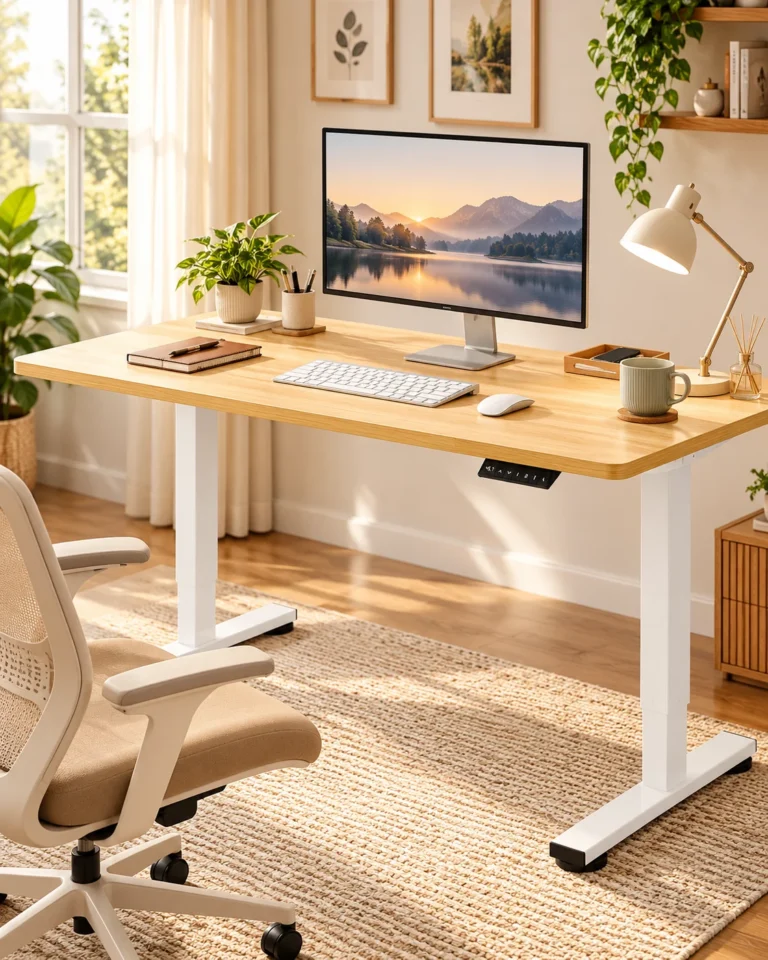
It also pairs naturally with other ergonomic changes. A standing desk can solve the height problem at the work surface, and a better chair can improve how you sit, but a foot rest handles the empty space underneath. None of those upgrades needs to be dramatic on its own. The value comes from making the whole workstation feel easier to use for hours at a time.
If your current setup leaves your feet unsupported or constantly shifting, the ComfiLife Foot Rest is a straightforward way to add cushioning and flexibility without replacing your desk or chair.
This article contains affiliate links. As an Amazon Associate I earn from qualifying purchases.
Check current price and availability for the ComfiLife Foot Rest on Amazon.
If you are improving the whole workstation rather than just foot support, our ErGear electric standing desk guide is a useful next step for adding height flexibility to the desk itself.
If your chair is still the bigger comfort bottleneck, our GABRYLLY ergonomic office chair guide looks at the seating side of a more supportive desk setup.
If you are building a more comfortable and practical workspace, explore more ideas in our Office Desk Setup collection.